
At Covered 6, we recognize the transformative impact of drone roof inspections on safety, efficiency, and cost-effectiveness in evaluating roof conditions. Drones significantly reduce risks inherent in traditional roof inspections by enabling faster, safer, and more cost-effective evaluations without the need for costly access equipment. Increasingly, drones are chosen for commercial use because they can handle rigorous, professional tasks such as roof inspections and other enterprise jobs.
Advanced drone technology enhances data collection through high-resolution imagery and thermal imaging, providing detailed imagery and comprehensive data essential for thorough analysis and decision-making. This facilitates detailed assessments and precise reporting essential for property managers and insurers. Drone roof inspections are also valuable for home inspection and property damage assessment, supporting a wide range of inspection needs.
Compliance with FAA regulations, including obtaining the FAA Part 107 certification, is mandatory for professional drone pilots to ensure safe, legal, and effective drone roof inspections.
The Benefits of Using Drones for Roof Inspections
The integration of drone technology into roof inspections marks a transformation shift in the industry, delivering multiple benefits:
- Enhanced safety for inspection personnel
- Increased operational efficiency
- Cost reduction without compromising quality
- Superior data acquisition capabilities
Compared to traditional methods, drone inspections offer greater efficiency and safety, allowing for faster, more thorough assessments with less risk to personnel.
Covered 6 partners with industry leaders to leverage these benefits, ensuring that roof inspections are conducted with the highest standards of safety and accuracy.
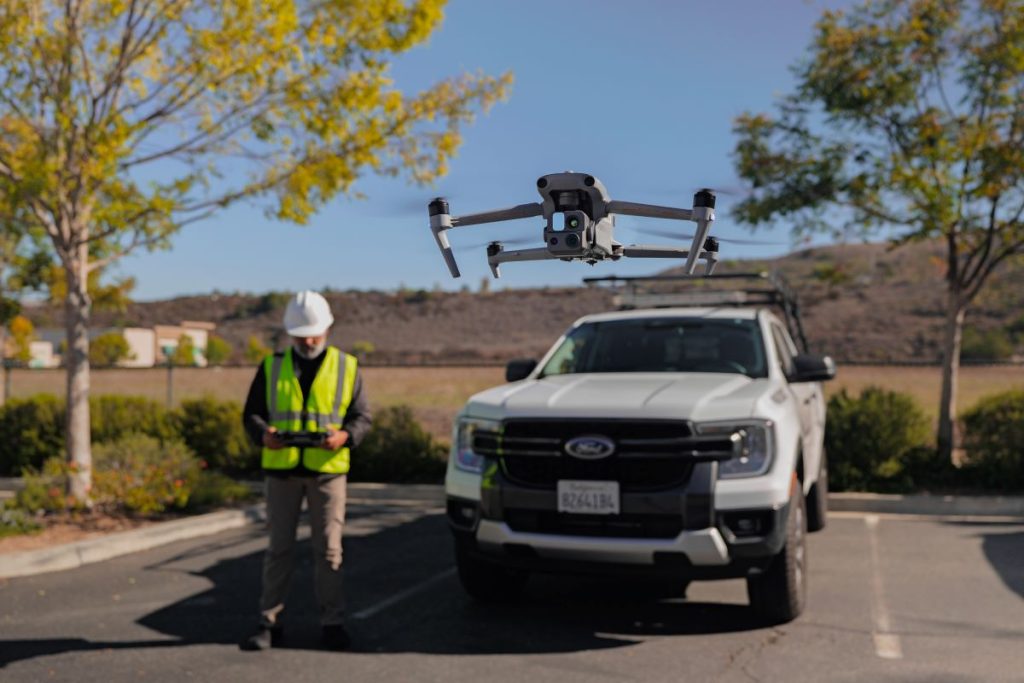
Drones eliminate the traditional risks associated with physically accessing roofs:
- Inspectors no longer need to climb steep or unstable roofs, reducing fall hazards.
- Worker safety is prioritized by minimizing physical exposure.
- The workforce can be expanded by enabling more personnel to perform inspections remotely.
- Drones can access inaccessible areas that are difficult or dangerous for humans, further improving safety.
Operational efficiency is dramatically improved with drones:
- Large commercial rooftops can be surveyed rapidly, cutting inspection times from hours or days to minutes.
- Residential inspections are often completed within an hour, optimizing resource allocation.
Cost-effectiveness is a key advantage:
- Drones remove the need for scaffolding and other costly access tools.
- Faster inspections reduce labor costs and operational downtime.
Choosing to use a drone for roof inspections ensures you maximize these benefits, especially when dealing with complex structures or hard-to-reach locations.
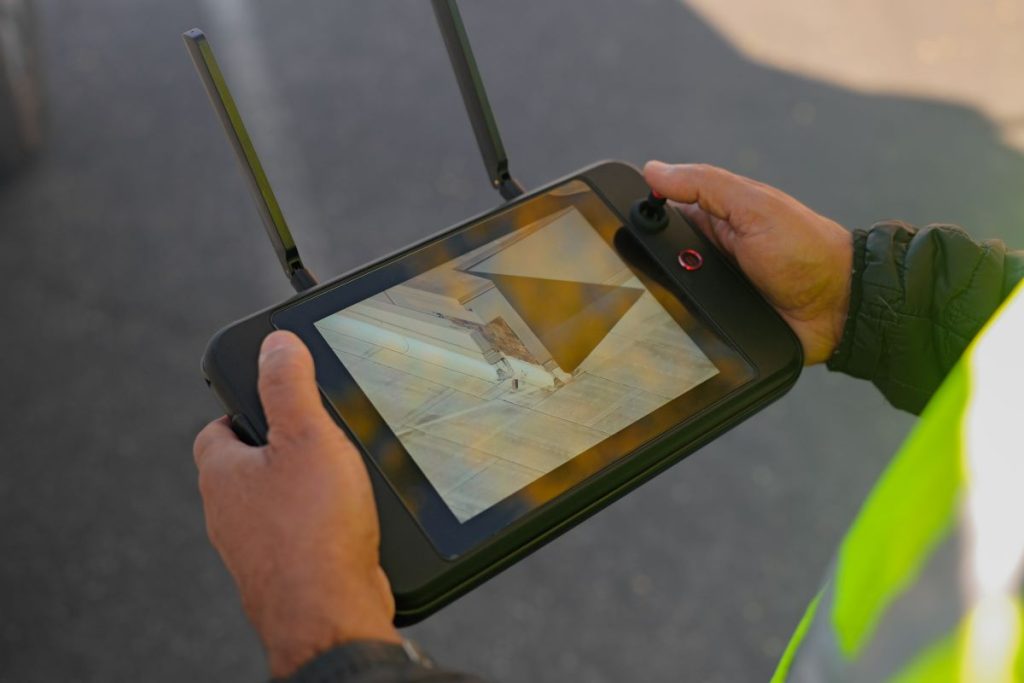
Enhanced Safety for Inspectors
Safety remains a top priority at Covered 6. Traditional roof inspections expose personnel to significant risks, including falls from heights and unstable surfaces. Inspecting roofs with drones reduces hazards and improves safety for all involved by allowing the process to be conducted from the ground. Utilizing drones allows inspections to be performed remotely, eliminating these hazards.
This approach also expands workforce capabilities by:
- Removing the requirement for physical roof access
- Allowing a broader range of employees and contractors to participate safely
- Addressing labor shortages in the inspection industry
Increased Efficiency and Speed
Drones accelerate roof inspections by:
- Covering extensive roof areas swiftly and thoroughly. Traditional inspections can take a good chunk of time to complete, but drones help minimize this significantly.
- Reducing inspection durations significantly compared to manual methods
- Enabling higher inspection volumes without increasing personnel
This efficiency aligns with Covered 6’s mission to deliver rapid, reliable solutions in security and public safety operations.
Cost-Effectiveness
Covered 6 understands the importance of cost control. Drone inspections reduce expenses by:
- Minimizing labor hours through rapid data collection
- Eliminating the need for expensive access equipment
- Streamlining inspection workflows for faster turnaround
These savings benefit property owners, insurance companies, and inspection service providers alike.
Superior Data Collection
Drones equipped with high-resolution and thermal imaging cameras deliver detailed visual and thermal data that surpass traditional inspection capabilities. This allows for:
- Precise identification of visible damage such as missing shingles and leaks
- Detection of hidden issues through thermal imaging
- Creation of comprehensive stitched roof models for accurate damage assessment and insurance claims processing
Covered 6 collaborates with technology partners to ensure data integrity and actionable insights for clients.
Overcoming Challenges in Traditional Roof Inspections with Drones
Traditional roof inspections face challenges including safety risks, lengthy processes, high labor costs, and inconsistent data quality. Drone technology addresses these issues by:
- Eliminating the need for physical roof access
- Significantly reducing inspection timeframes
- Enabling rapid deployment for immediate assessments
- Providing reliable data critical for timely insurance claims
Additional advantages include:
- Reduced disruption to property owners
- Consistent, accurate data acquisition
- Lower potential for human error
- Enhanced quality and reliability of inspection reports
Addressing Safety Risks
Drones mitigate the inherent dangers of roof inspections by enabling ground-based data collection. Pre-flight planning conducted by skilled operators further ensures hazard identification and risk mitigation before inspections commence.
Improving Inspection Consistency
At Covered 6, we emphasize meticulous planning and precise data capture to maintain consistency across inspections. This approach minimizes human error and produces reliable, repeatable results essential for infrastructure inspections and detailed reporting.
Reducing Time and Labor Costs
Drone inspections reduce operational costs by:
- Completing surveys in a fraction of the time required for manual inspections
- Lowering the number of personnel exposed to hazards
- Eliminating expenses related to ladders, scaffolding, and other equipment
Efficiency gains translate into increased inspection capacity and reduced downtime, key benefits for our clients.
Step-by-Step Guide to Conducting a Drone Roof Inspection
A successful drone roof inspection requires a structured approach encompassing:
- Pre-flight planning
- Flight execution
- Data collection
- Post-flight data analysis
Using a drone to inspect roofs allows for more thorough and efficient assessments compared to manual approaches, leveraging advanced features like obstacle avoidance and high-quality aerial imagery.
Covered 6 integrates these steps to ensure comprehensive, accurate inspections aligned with client needs.
Pre-Flight Planning
Thorough pre-flight planning is essential to assess site conditions, secure necessary permissions, and identify potential hazards. This preparation ensures a safe, efficient inspection that minimizes disruption to property owners and maximizes data quality.
Equipment Setup
Proper equipment configuration includes:
- Equipping drones with high-resolution cameras and thermal imaging modules
- Calibrating camera settings to suit environmental conditions
- Verifying operational readiness of all systems
Selecting a drone with a good camera and sufficient flight time is essential for capturing high-quality data and completing inspections efficiently.
Covered 6’s technical teams oversee this critical phase to guarantee optimal data capture.
Executing the Flight – Using automated flight with a drone to inspect roof damage
During flight, drones utilize advanced sensors and obstacle avoidance technologies to navigate complex roof geometries. The drone systematically captures high-resolution imagery and thermal data, producing a detailed 3D map of the property.
Post-Flight Data Analysis
Collected data is analyzed to generate detailed inspection reports. This process involves reviewing imagery, identifying potential issues, and compiling actionable insights to guide maintenance and repair decisions.
Top Drones for Roof Inspections in 2025
Selecting the appropriate drone is vital for effective roof inspections. Covered 6 collaborates with industry-leading manufacturers to deploy drones equipped with high-resolution cameras, thermal imaging, and advanced obstacle avoidance.
Highlighted models include the Autel Robotics EVO II Dual 640T, The Soten by ACSL, Raptor T by Anzu Robotics, and IF800 by Inspired Flight—each offering unique capabilities suited to various inspection scenarios. Other popular options for roof inspections include the DJI Air series, DJI Phantom series, and Parrot Anafi USA, each offering unique features for different inspection needs. Selecting the right drone for roof inspection tasks is essential, as a powerful drone with advanced features can significantly improve data quality and operational safety.
Autel Robotics EVO II Dual 640T
Featuring a 640 x 512 thermal camera and a 50MP visual camera with sophisticated obstacle avoidance, the Autel Robotics EVO II Dual 640T delivers exceptional image quality and operational safety, ideal for professional drone pilots conducting roof inspections. For those seeking an immersive FPV experience with enhanced imaging and flight features, consider the DJI Avata 2 Fly More Combo, which offers advanced goggles and intuitive controls.
The Soten by ACSL
Compact and maneuverable, The Soten supports payloads up to 1.5 kg and offers stable flight for industrial-grade inspections, making it a reliable asset for complex roof assessments.
Raptor T by Anzu Robotics
Equipped with AI-enhanced thermal imaging and advanced obstacle avoidance, the Raptor T by Anzu Robotics excels at detecting hidden roofing damage, ensuring thorough and precise inspections.
IF800 by Inspired Flight
Designed for durability and precision, the IF800 by Inspired Flight withstands harsh environments and provides high-accuracy data collection, essential for challenging inspection conditions.
Key Features to Look for in a Roof Inspection Drone
When selecting drones for roof inspections, prioritize:
- High-resolution camera quality (minimum 20MP stills, 4K video)
- Integrated thermal imaging capabilities
- Comprehensive obstacle avoidance technology
- Flight stability and weather resistance to maintain consistent operations under diverse conditions
- The ability to accurately assess different roofing materials, which is essential for evaluating the type and condition of the roof during inspections
Covered 6 emphasizes these features to deliver dependable, high-quality inspection outcomes.
High-Resolution Camera Quality
High-resolution imaging is critical for capturing fine details necessary for accurate roof condition assessments. Adjustable apertures, gimbals, and zoom lenses enhance versatility across varying lighting and environmental conditions.
Thermal Imaging Capabilities
Thermal cameras enable detection of issues invisible to the naked eye, such as insulation defects and moisture intrusion, providing a critical layer of diagnostic capability.
Obstacle Avoidance Technology
360-degree obstacle avoidance ensures safe navigation around complex roof structures, reducing collision risks and safeguarding both equipment and property.
Flight Stability and Weather Resistance
Robust flight stability and wind resistance allow drones to operate effectively in challenging weather, ensuring reliable data capture and minimizing mission interruptions.
Opportunities and Careers in Drone Roof Inspections
The drone roof inspection sector presents substantial career opportunities for skilled pilots. There is a growing demand for commercial drone pilots, especially as more companies seek professionals for commercial use in various industries. Drone roof inspection jobs are increasingly available, offering employment opportunities with typical clients in real estate, insurance, and construction. Covered 6 supports professional development and connects drone pilots with expanding markets in these sectors.
Potential Earnings for Drone Pilots
Experienced drone pilots can expect competitive compensation, typically ranging from $70,000 to $80,000 annually, reflecting the specialized skills and technology expertise required.
Industries Hiring Drone Pilots
Key sectors include:
- Real estate, for property evaluations and sales preparation
- Insurance, for rapid damage assessments following severe weather
- Construction, for progress monitoring and quality control
Demand spikes seasonally, particularly during hurricane season, creating consistent opportunities.
How to Find Drone Inspection Jobs
Pilots can leverage job boards like Indeed, industry networks, and specialized platforms such as FlyGuys and Zeitview to access roof inspection assignments. Covered 6 encourages pilots to engage with these resources to maximize career prospects.
Certification and Regulations for Drone Roof Inspections
Compliance with FAA regulations is mandatory. Covered 6 ensures all drone operations adhere to legal standards, including:
FAA Part 107 Certification
Commercial drone pilots must obtain Part 107 certification by passing a knowledge test covering operational rules, airspace classifications, and safety protocols. This certification legitimizes commercial drone activities, including roof inspections.
Additional Training and Skills
Specialized training in thermal imaging and structural assessment enhances pilot capabilities, enabling more comprehensive inspections and improving job market competitiveness.
Summary
Drone roof inspections offer unparalleled benefits in safety, efficiency, cost savings, and data quality. Covered 6’s expertise and partnerships enable the delivery of thorough, reliable inspections that meet the evolving needs of property owners and insurance companies. Investing in the right technology, skills, and certifications positions drone pilots for success in this dynamic field.
Frequently Asked Questions
What are the main benefits of using drones for roof inspections?
Drones improve safety, speed, cost efficiency, and data quality, making them indispensable tools for modern roof inspections.
What certifications are needed for conducting commercial drone roof inspections?
FAA Part 107 certification is required, with additional training in thermal imaging and structural assessment recommended.
How do drones improve the efficiency of roof inspections?
Drones rapidly cover large areas, reducing inspection times and increasing throughput.
What features should I look for in a roof inspection drone?
Prioritize high-resolution cameras, thermal imaging, obstacle avoidance, and stable flight performance in varied weather.
How can I find job opportunities as a drone pilot for roof inspections?
Utilize job boards, industry networks, and platforms like FlyGuys and Zeitview to connect with employers seeking skilled drone pilots.